Marching Feet and Reluctant Ballots

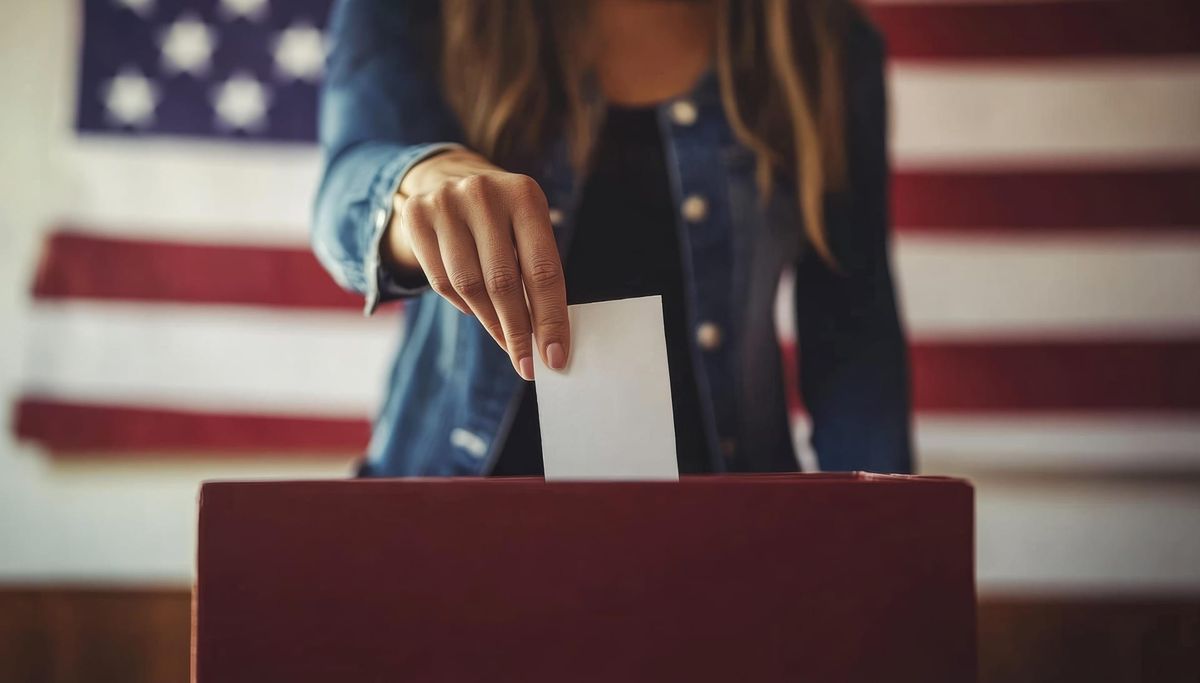
It's a riddle that has puzzled the republic longer than most politicians hold office. And it goes something like this: How is it that the same sturdy citizen who will leap from his chair at the first rumor of federal mischief, lace up his boots, and trudge across town—or across the state—to wave a sign and shout himself hoarse, suddenly finds the short stroll to a polling place an ordeal fit only for heroes and mountain goats?
Observe the phenomenon over the past three decades, and you will see it repeated with comic regularity. Let the administration commit some fresh offense, real or imagined, and the streets fill as if by magic.
Flags appear, slogans bloom like weeds after rain, and ordinary folks discover reserves of energy they never knew they possessed. They stand for hours, march for miles, endure weather that would send a mail carrier scurrying for cover, and their lungs work overtime, their legs prove equal to the task, and their enthusiasm knows no fatigue—so long as the purpose is protest.
Yet when election day rolls around, a strange lethargy descends. The same legs that carried the banner now plead exhaustion. The same voice that roared against distant officials grows soft and reasonable.
Suddenly the ballot box is too far, the line too long, the hour too inconvenient. Mail-in voting, they declare, is the only sensible arrangement.
Why should a free people be forced to appear in person when an envelope can do the traveling for them?
The humor of it is almost too rich to bear. A nation that can organize weekly demonstrations against its government somehow struggles to organize a single trip to choose that government.
Protest is a moral duty and a social occasion; the vote is a burdensome chore best handled by the post office. One begins to suspect that shouting is considered exercise, while marking an X is regarded as hard labor.
Of course the defenders of convenience have their points, and some of them are even sound. Life is busy, work intervenes, and distance matters.
Still, the spectacle remains: crowds materialize on demand for indignation, only to thin out when it's time for decision. It is as if the American citizen has discovered that complaint is exhilarating and responsibility is merely tiring.