Big Cat Learns New TRIC

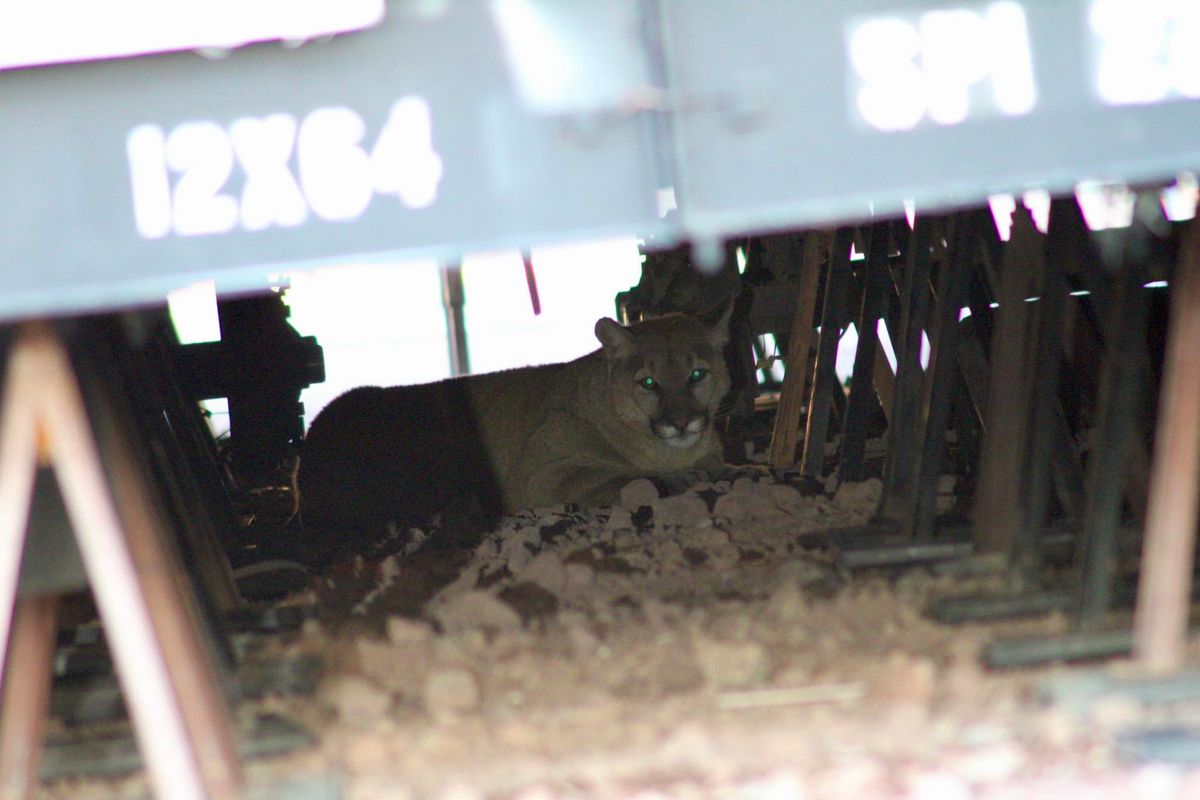
The Nevada Department of Wildlife issued a public warning after someone spotted a mountain lion wandering through the Tahoe Reno Industrial Center, which is proof that even wild animals occasionally make wrong turns.
The great cat was seen on Friday morning moving among the warehouses, factories, data centers, and assorted monuments to modern civilization. One imagines the creature paused upon a dusty hilltop, surveyed the landscape of concrete and server farms, and thought: Good Lord, what species did this to the desert?
Now the Department of Wildlife assures the public that mountain lions generally avoid human contact. It is understandable. If I were a mountain lion and discovered folks constructing twenty-million-square-foot aluminum shoeboxes in the middle of Nevada while arguing about blockchain and tax abatements, I would avoid us, too.
The state then issued its official safety instructions, penned by individuals who clearly have not experienced enough encounters to become deeply pessimistic.
First: Do not run if you encounter a mountain lion.
This advice goes directly against every instinct God installed in the human nervous system. When a citizen unexpectedly encounters a giant carnivorous cat capable of jumping twenty feet in a single leap, his body does not usually wait for government guidance. His soul leaves first, and the legs follow shortly afterward.
Second: Make yourself appear larger.
It is excellent counsel for mountain lions, tax auditors, and aggressive geese. Apparently, if confronted by a predator, one must immediately impersonate a wardrobe malfunction. The Department did not specify whether waving one’s arms wildly while shrieking counts as enlarging oneself, though I suspect many Nevadans would attempt it.
Third: Maintain eye contact and slowly back away.
There is something wonderfully optimistic about this instruction, as though a mountain lion operates according to corporate negotiation principles.
“Now see here, Mr. Lion,” the citizen says while trembling violently, “we both have interests to protect today.”
The lion, meanwhile, is considering whether the man tastes more like elk or poor life choices.
The Department further advises citizens to pick up small children immediately, which is sensible because children, unlike adults, possess the judgment necessary to panic properly.
And finally comes my favorite instruction: Never approach a mountain lion, especially one feeding, or with kittens.
It raises an important question about the average American. Somewhere in Nevada’s history, there must have been enough people approaching feeding mountain lions that the state felt obligated to print a warning about it.
There is no official bulletin reminding citizens not to wrestle bulldozers or insult thunderstorms. Society assumes we already know these things, but mountain lions evidently require clarification.
The truth is, the poor beast was likely passing through on its way somewhere quieter. Nevada’s lions have lived in those hills long before the first industrialist arrived, promising jobs, prosperity, and traffic congestion. The animal probably came down expecting rabbits and found fiber-optic cable.
Besides, the mountain lion may actually improve the Tahoe Reno Industrial Center. At present, it is one of the only creatures there operating on natural intelligence.
So if you happen upon the lion wandering between warehouses and data centers, remember the state’s advice. Do not run. Make yourself appear larger. Maintain eye contact. And above all, try not to look edible.