A New Kind of Nevada Mining Takes Shape
How Comstock Metals Is Redefining Resource Recovery in Nevada
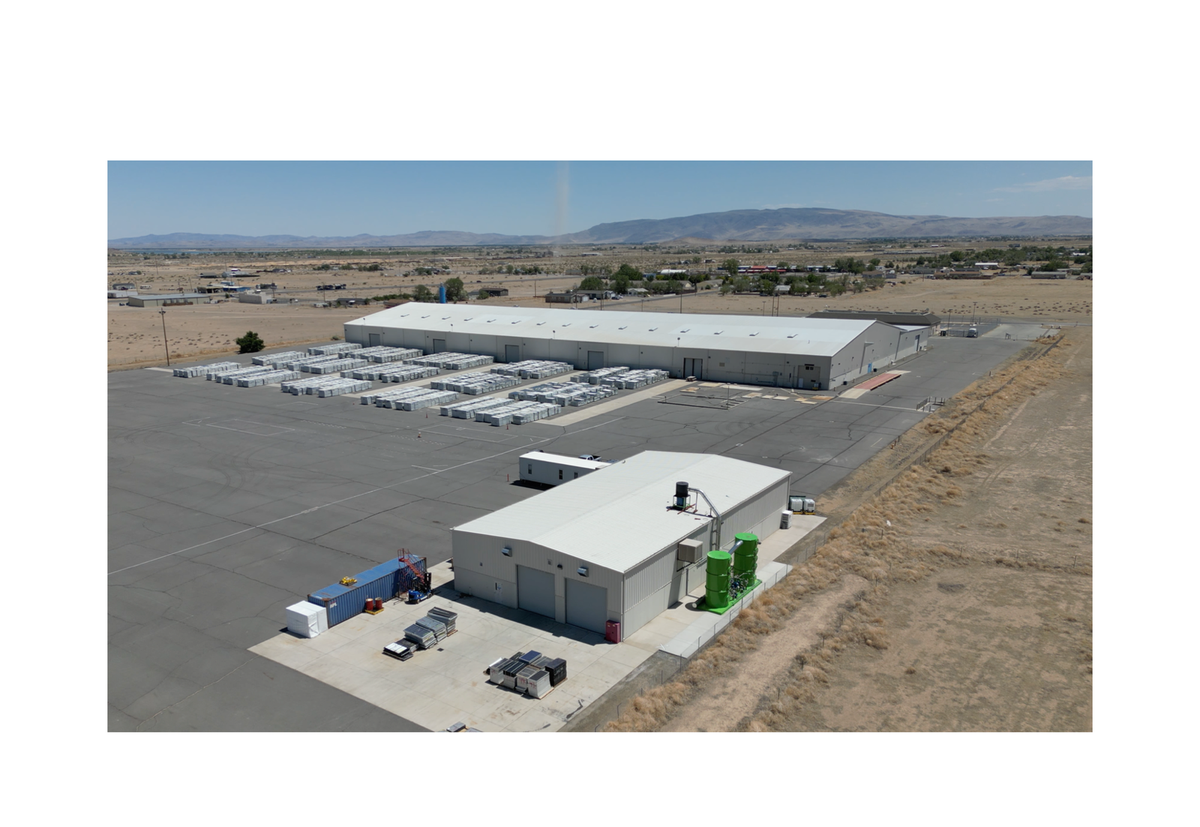
Nevada has long been defined by innovative mining. From the historic Comstock Lode to today’s world-class gold and silver operations, the state has built its identity on discovering, extracting, and processing value from the earth. But a new chapter is emerging, one that doesn’t rely on what lies beneath our feet. Instead, it looks to what’s already been manufactured, deployed, and ultimately retired. This is the rise of urban mining, and it may become one of the most important evolutions in the industry’s history.
A New Resource Stream Emerges
At the center of this shift is Comstock Metals, a Nevada-based company focused on the responsible processing of end-of-life solar panels. While solar energy has grown rapidly over the past two decades, the industry is now confronting a more urgent reality: what happens when millions of panels reach the end of their useful life.
Over the next decade, the volume of retired solar panels will increase exponentially, creating a waste stream that cannot be safely managed through traditional disposal methods. These panels are complex, multi-material products that, when landfilled, will degrade over time and release contained metals into surrounding soil and groundwater. This is not a hypothetical risk. It is an inevitable outcome of improper disposal at scale.
For years, much of this material has been sent to landfills or exported with little visibility into its final destination. While these approaches may offer short-term convenience, they ultimately shift environmental consequences downstream. As volumes grow, so does the impact, making responsible recycling not just an option, but a necessity.
From Waste to Circular Supply Chains
Comstock Metals is taking a radically different approach. At its first-of-a-kind industrial-scale facility in Silver Springs, Nevada, the company has proven and built a certified zero-landfill solution. Panels are processed in a controlled environment, enabling safe separation of component materials while eliminating landfill impact.
The focus is not simply on disposal, but on enabling a truly circular supply chain. By ensuring materials are properly processed and reintroduced into appropriate downstream uses, Comstock Metals helps reduce the need for new raw material extraction and supports a more sustainable lifecycle for solar infrastructure.
This level of traceability is becoming a key factor for organizations facing growing ESG expectations. It is no longer enough to say materials were “recycled.” Increasingly, stakeholders expect documentation and verification of true circularity.
Comstock Metals meets this need by providing detailed reporting and certification for every shipment, including certificates of receipt and documented recycling and destruction. Its operations are supported by industry-recognized standards, including R2v3 and RIOS certifications.
Urban mining is not about extracting quick value from discarded materials. It is about managing complex chemistries and waste materials responsibly while reducing the environmental footprint of both disposal and traditional mining. Ensuring panels are handled properly at end of life helps prevent landfill use and reduces the need for new resource extraction.
This is particularly relevant in Nevada, where mining is pervasive and expertise runs deep. Urban mining extends that legacy into a future where responsible resource management is as important as resource extraction.
For Comstock Metals, this is already an operational reality. The company is scaling its capabilities to meet growing demand with the addition of multiple logistics facilities across the country, while positioning Nevada as a hub for solar panel recycling in North America.
As the energy transition continues, the importance of responsible end-of-life solutions will only grow. Nevada has always been at the forefront of mining innovation, and companies like Comstock Metals are helping define what comes next.