The Twenty-Thousand-Dollar Ghost of Gold Hill

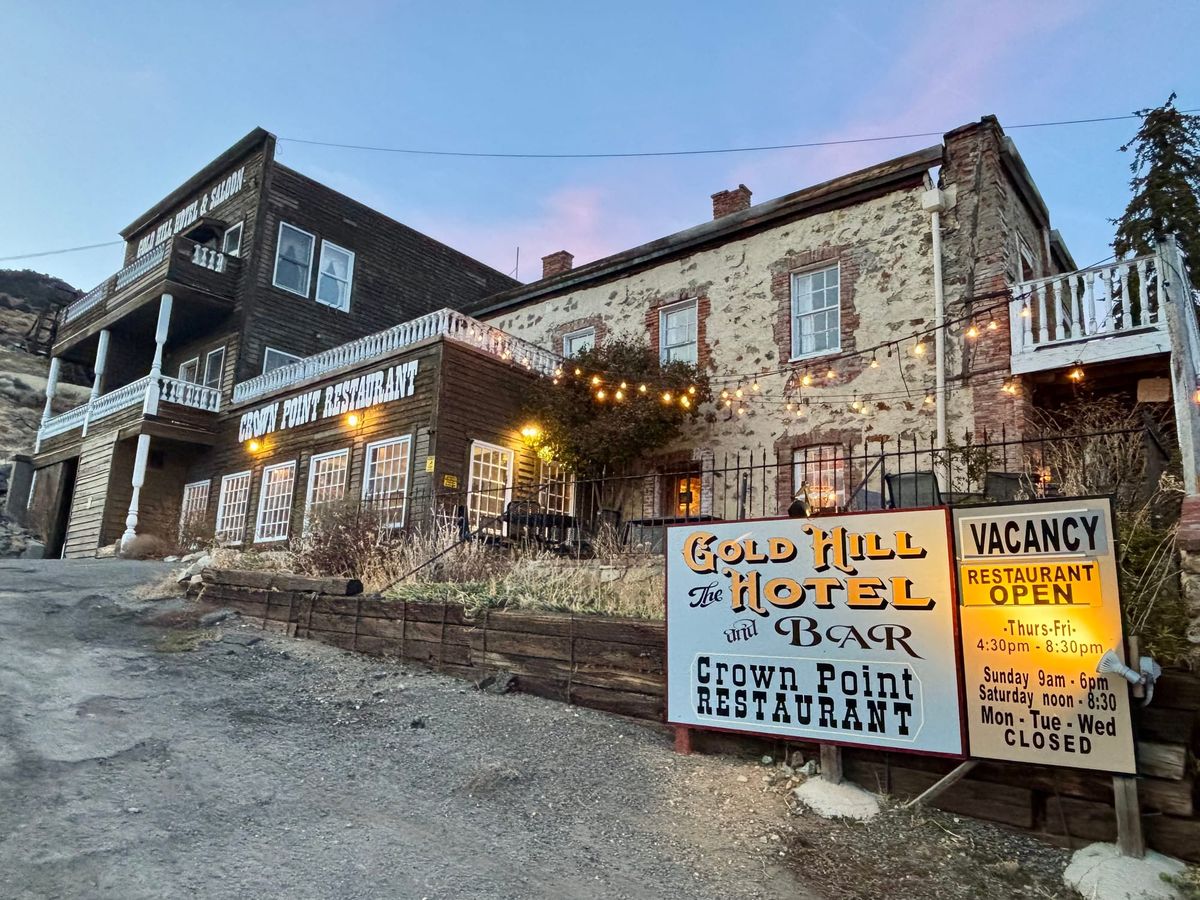
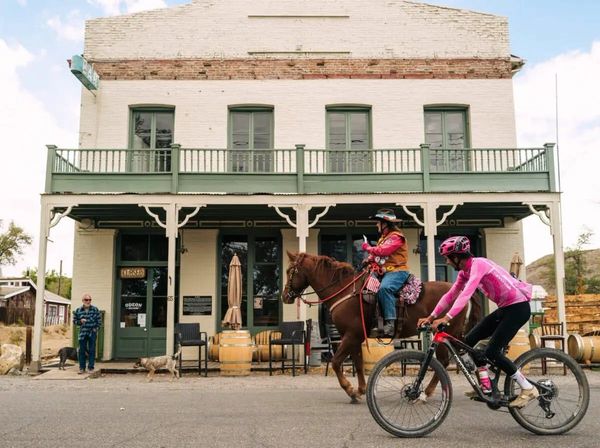
Some establishments in Nevada have endured so long that they resemble stubborn geological formations rather than typical establishments. The Gold Hill Hotel is one of them.
Built in 1859 and opened in 1861, it has endured mining booms, several busts, economic panics, modern fashion, and several generations of people who thought avocado-colored appliances were a splendid idea. Now the old hotel has received a $20,000 grant to help preserve its historic character.
It is a noble undertaking, though I confess I am amused by the notion of preserving history with the assistance of a credit card company. It is as if civilization has finally completed its circle, as frontier prospectors are now being saved through reward points.
The money is reportedly earmarked for kitchen appliances, bedding, chairs, and other improvements. This strikes me as wise. Nothing spoils a guest's appreciation for authentic 19th-century history quite like a refrigerator from the Reagan administration wheezing its final breath in the kitchen.
The hotel's owner, Jill Clough, intends to keep the place as authentic as possible. In Nevada, authenticity is a cherished tradition. We are forever trying to preserve buildings that miners constructed in a hurry and intended to abandon the moment they found someplace richer to dig holes.
The bar itself dates back to the 1920s, and the original bar top remains in use. One suspects that bar top has heard enough stories to fill a library and enough lies to fill Congress. If wood could testify under oath, half the state would be in trouble.
The hotel also boasts a ghost, as any respectable historic hotel is required to. I have long believed that ghosts are the most reliable residents in any old mining town.
Living people come and go, but a ghost signs a very long lease. Legend has it that the spirit still wanders the halls, and I imagine the poor phantom was as startled as anyone to hear news of the grant.
After all, a ghost who has occupied the same room since the 19th century is naturally suspicious of modernization. New pillows today, and before you know it, somebody wants Wi-Fi in the afterlife.
I can picture the spectral resident floating into a staff meeting to object to the proceedings. The ghost would likely approve of preserving the original structure but draw the line at replacing chairs. There is something about old hotel chairs that seems sacred. They are uncomfortable enough to remind guests they are experiencing history.
The most remarkable part of the story, however, is not the grant or the ghost. It is the revelation that countless people have driven past the hotel for years, assuming it was closed. This is perhaps the most authentic Nevada experience imaginable. We have become so accustomed to abandoned mining structures that when we encounter a building still conducting business after 165 years, we assume nobody could be inside.
According to Clough, visitors often admit they have passed by for 15 years without stopping because the place looked closed. I admire this honesty. Americans will spend 20 minutes circling a parking lot at a shopping mall but will drive past a historic landmark for a decade and a half without once considering the possibility that the lights are on.
It stands there patiently waiting for travelers, historians, diners, ghost hunters, and curious souls. It has survived the Civil War, the invention of the automobile, the arrival of the Internet, and the disappearance of common sense.
And now, thanks to $20,000 and a determination to preserve the past, the Gold Hill Hotel marches onward into the future. The living will enjoy new bedding, the kitchen will enjoy new appliances, and the ghost will continue wandering the hallways, wondering why so many couldn't be bothered to stop during the last 15 years.
That, in my opinion, is the most haunting part of the whole story.